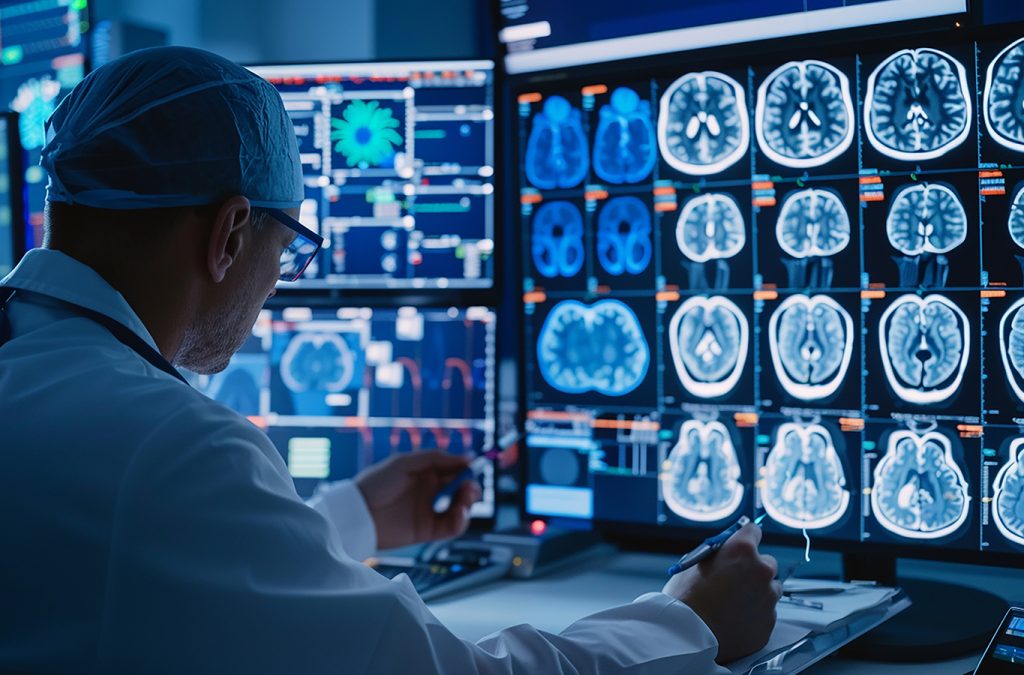
Neurological Diseases Associated with Autism Spectrum Disorder (ASD)
Autism Spectrum Disorder (ASD) frequently overlaps with other neurological and genetic conditions, which can significantly influence a child’s behavior, development, and medical needs. Early identification of these comorbidities is essential for accurate diagnosis and effective intervention.
Key Neurological Conditions Associated with ASD:
1- Epilepsy
- Affects 20–30% of people with ASD.
- Seizures may include generalized or partial types and can begin in childhood or adolescence.
- EEG changes are common, even without visible seizures.
- Requires neurological evaluation and tailored medication.
2- Fragile X Syndrome
- A leading inherited cause of autism.
- Features include intellectual disability, anxiety, poor eye contact, and repetitive behaviors.
- Diagnosed via genetic testing (FMR1 gene mutation).
3- Down Syndrome
- 5–10% of individuals with Down syndrome also meet ASD criteria.
- Combined cases may show more severe language and social delays.
- Seizures and early cognitive decline are possible.
4- Attention-Deficit/Hyperactivity Disorder (ADHD)
- Found in up to 80% of children with ASD.
- Symptoms include inattention, hyperactivity, and impulsivity.
- Can increase behavioral challenges and interfere with learning.
- Treated with behavior therapy and sometimes medication.
5- Cerebral Palsy (CP)
- Motor impairments such as spasticity and delayed milestones may co-occur in 7–15% of ASD cases.
- CP can mask or complicate the diagnosis of autism.
- Requires physical therapy alongside developmental support.
6- Intellectual Disability (ID)
- Present in about 40% of individuals with autism.
- Defined by below-average IQ and difficulty with daily functioning.
- Strongly linked to more severe ASD symptoms and language delays.
- Requires individualized education and support.
7- Tics and Movement Disorders
- Includes motor tics (e.g., blinking, jerking) and vocal tics (e.g., grunting, throat clearing).
- Tourette syndrome may co-occur in a small percentage of children with ASD.
- Repetitive behaviors (stereotypies) are common in autism but differ from true tics.
- Management may involve behavioral therapy and, in some cases, medication.
Clinical Takeaway:
- Neurological comorbidities are common in autism and may affect diagnosis, behavior, and quality of life.
- A thorough assessment—including EEG, genetic testing, and developmental evaluation—is key to comprehensive care.
- Identifying and addressing these conditions early allows for personalized treatment and better long-term outcomes.
Our Services
Contact Us
Opening Time
- Weekdays 6:00 - 7:00 pm
- Monday 6:00 - 7:00 pm
- Sunday 10:00 - 9:00 pm